

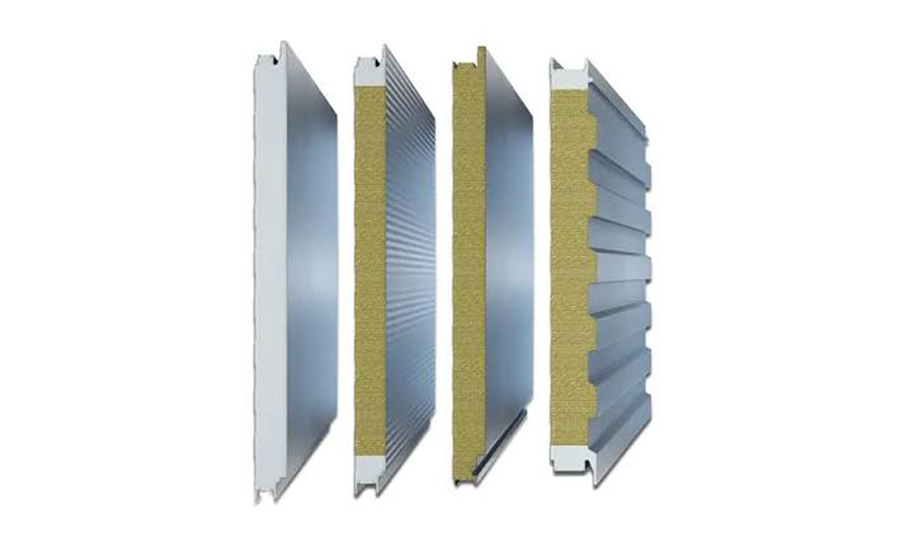
How to Choose the Right Sandwich Panel?
Selecting the right sandwich panel is a critical decision for industrial, commercial, and cold storage projects. The right choice directly impacts thermal performance, fire safety, energy efficiency, durability, and overall construction costs . This guide breaks down the selection process into clear, actionable steps to help you make an informed decision.
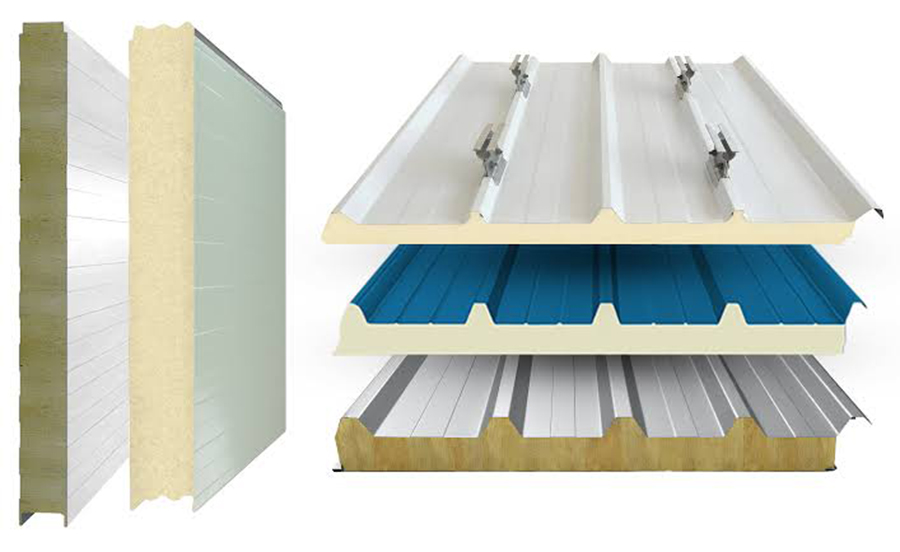
What Is a Sandwich Panel?
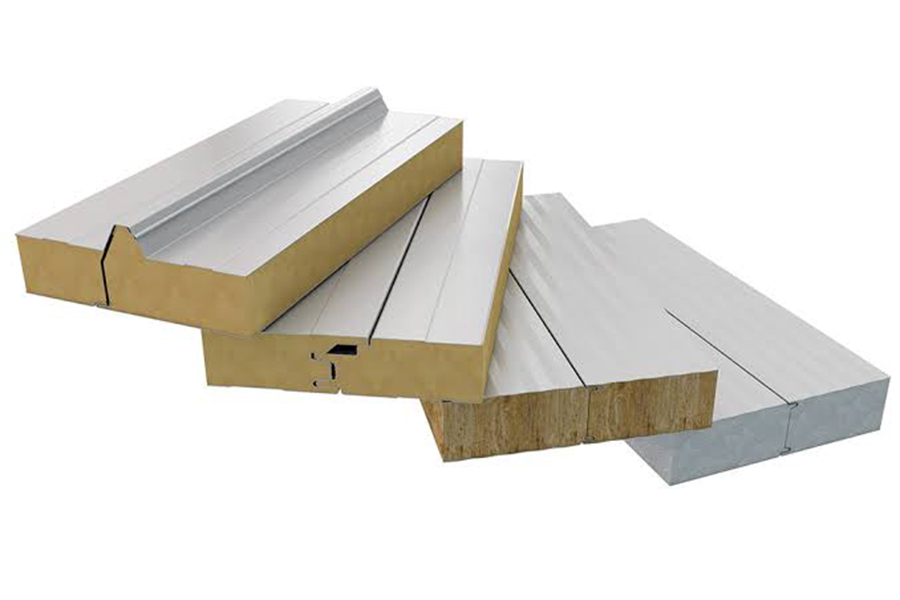
A sandwich panel is a prefabricated building component consisting of two durable metal skins bonded to an insulating core material . The metal facings, usually made of pre-coated galvanized steel or aluminum, provide structural strength and weather protection, while the core delivers thermal and acoustic insulation . This composite structure creates a lightweight yet strong building envelope solution widely used for walls and roofs in industrial facilities, warehouses, cold storage, cleanrooms, and commercial buildings .
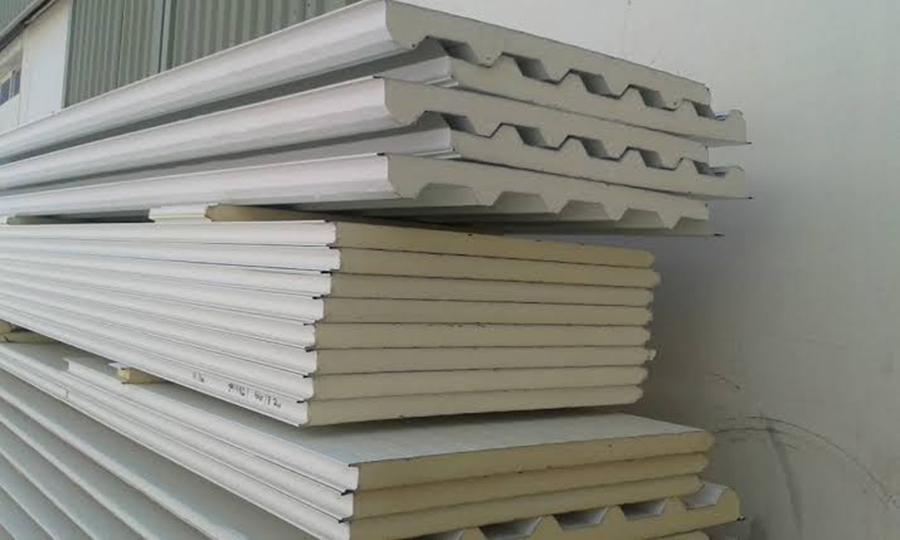
PIR vs. PU vs. Rockwool Sandwich Panels
|
Feature |
PIR Sandwich Panel |
PU Sandwich Panel |
Rockwool Sandwich Panel |
|
Core Material |
Polyisocyanurate Foam |
Polyurethane Foam |
Mineral Wool (Basalt, Dolomite) |
|
Thermal Conductivity |
Excellent (0.018–0.023 W/m·K) |
Good (0.022–0.028 W/m·K) |
Moderate (0.040–0.048 W/m·K) |
|
Fire Performance |
Good (Euroclass B, self-extinguishing) |
Moderate (Lower than PIR, varies by grade) |
Excellent (Non-combustible, Class A) |
|
Application |
Cold storage, temperature-controlled areas, industrial buildings where high insulation and good fire rating are both needed |
Standard industrial/commercial buildings, warehouses, projects balancing insulation performance and cost |
High-rise buildings, fire barriers, areas with strict fire safety regulations, projects requiring acoustic insulation |
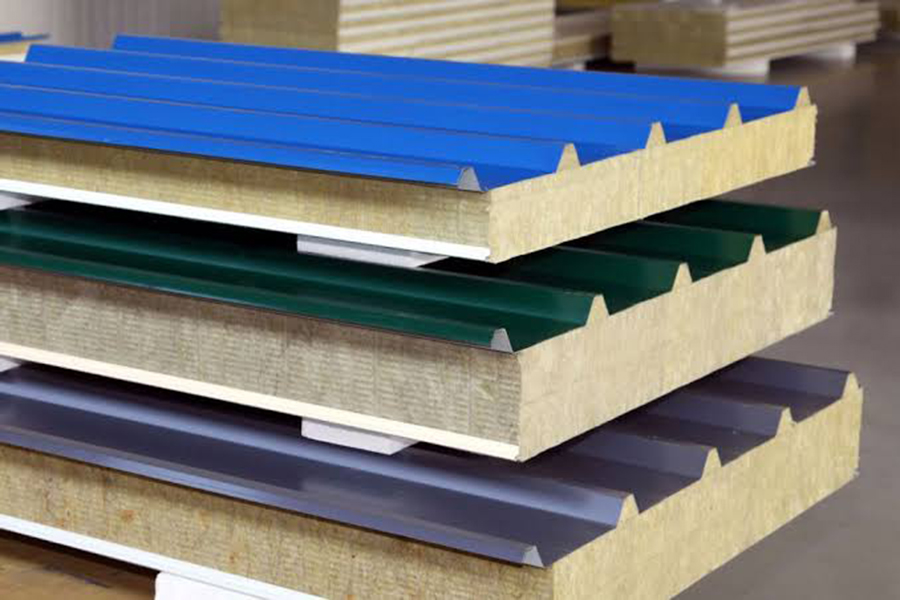
How to Choose the Right Sandwich Panel?
The most suitable panel depends entirely on your project's specific requirements. Follow these three steps to narrow down your choice:
Step 1: Define Your Application and Environment
Identify the building's primary use. A cold storage facility demands high thermal insulation to maintain precise temperatures, while a manufacturing plant may prioritize fire resistance . Consider the local climate, as buildings in hot or cold regions benefit greatly from panels with superior thermal performance . Also, evaluate if the environment is humid, corrosive, or subject to high noise levels.
Step 2: Prioritize Key Performance Requirements
Based on Step 1, determine which performance factors are most critical.
For maximum thermal efficiency: Prioritize panels with very low thermal conductivity, making PIR or PU strong candidates .
For strict fire safety: Prioritize fire resistance. Rockwool panels are the safest choice for non-combustible solutions . Some PIR panels also offer good fire performance with improved insulation .
For acoustic insulation: Rockwool panels excel in soundproofing due to their dense, fibrous structure .
Step 3: Verify Compliance and Technical Specifications
The chosen panel must meet all relevant local building codes and regulations. Always request and verify the necessary certifications and test documentation from the manufacturer, such as CE marking, Declarations of Performance (DoP), and fire-rating certificates . Confirm the required panel thickness based on your insulation targets, climate, and structural needs .
How to Choose the Experienced Manufacturer?
The quality of the panel system depends as much on the manufacturer's expertise as on the raw materials . A reliable supplier can provide crucial technical support from selection through to installation . Look for a manufacturer that demonstrates:
Technical Capability and Compliance: They should offer clear technical specifications and provide third-party test reports for core properties, peel strength, and fire performance . Certifications like ISO 9001 and international fire safety standards (e.g., FM Approval, EN 13501-1) are key indicators of quality .
Production Capacity and Process Control: An experienced manufacturer will have the capacity to handle projects of your scale. This is often reflected in their facility size, automation level (e.g., continuous lamination lines), and stringent quality checks to ensure dimensional accuracy and consistent core density .
Operational Excellence and Support: They should be responsive, offer clear communication, and provide after-sales service. A fast response time and high on-time delivery rate signal strong operational discipline . For international projects, consider their export experience and packaging methods to prevent transit damage .
Choosing the right sandwich panel is a strategic decision that should be based on a thorough analysis of your project's needs, not just the price per square meter. By carefully evaluating the building application, prioritizing core performance requirements (thermal, fire, acoustic), and partnering with an experienced, certified manufacturer, you can ensure a durable, energy-efficient, and safe building envelope. A well-chosen sandwich panel system is an investment in the long-term performance and value of your construction project.
For more information needed or any inquiry,please feel free to contact Yumisteel team.
años de experiencia



 Servicio en línea
 +86-592-6095031
 manager@yumisteel.com
 Alina_Yuki
 +8613559086380+8615860744964
 español
 English
 русский
 português
 日本語