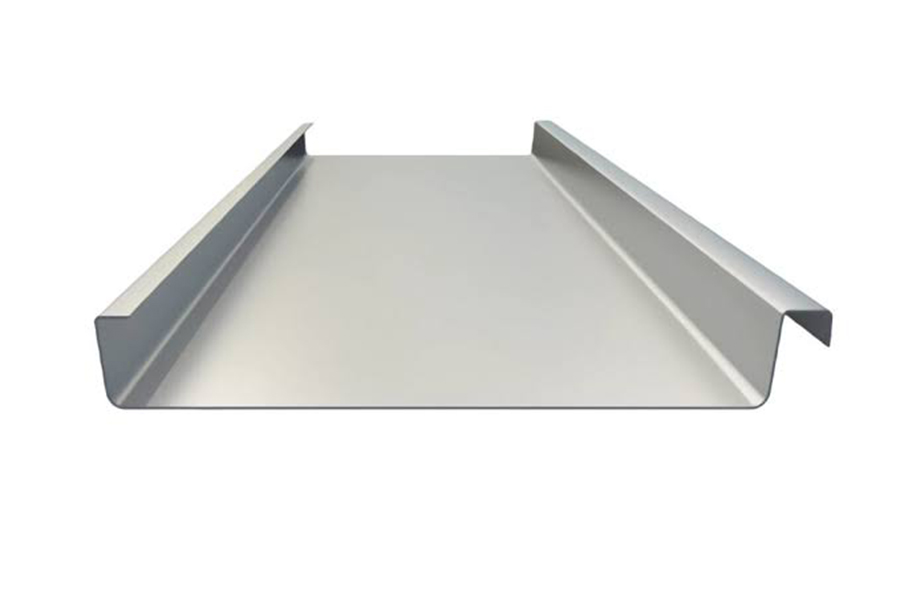
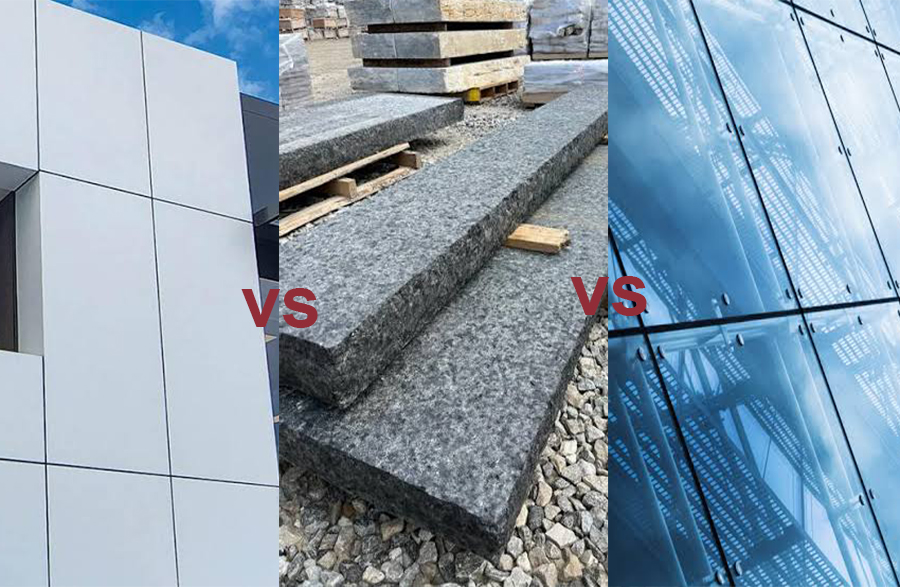
Aluminum single-panel cladding consists of lightweight, corrosion-resistant metal sheets factory-coated with PVDF or polyester finishes. It offers excellent flatness and rigidity through reinforced ribs on the back side. Installation uses a concealed clip system or exposed rivet fixing, allowing for quick attachment to subframes. This system excels in cost efficiency, easy maintenance, and design flexibility with diverse colors and perforation options. It is widely used for canopy soffits, column covers, and refurbishment projects where weight reduction and speedy installation are top priorities.
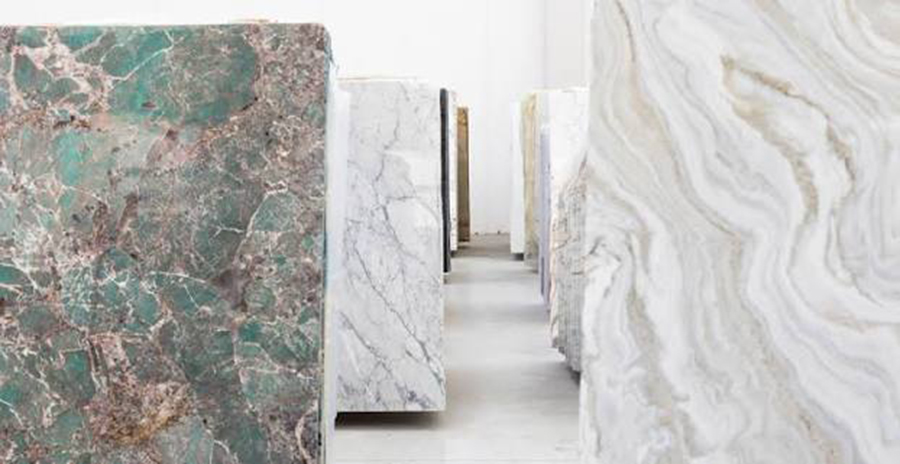
Stone curtain walls typically use 30mm to 50mm thick granite, marble, or limestone panels anchored to a stainless steel or aluminum support framework. Each panel is secured with back bolts or undercut anchors, allowing independent movement to accommodate thermal expansion and wind loads. The system delivers a monumental, high-end aesthetic with exceptional durability and weather resistance. However, stone is heavy, requiring robust substructures and foundation reinforcement. It also demands careful quarry selection and sealing against moisture ingress, making it a premium choice for landmark commercial and institutional buildings.
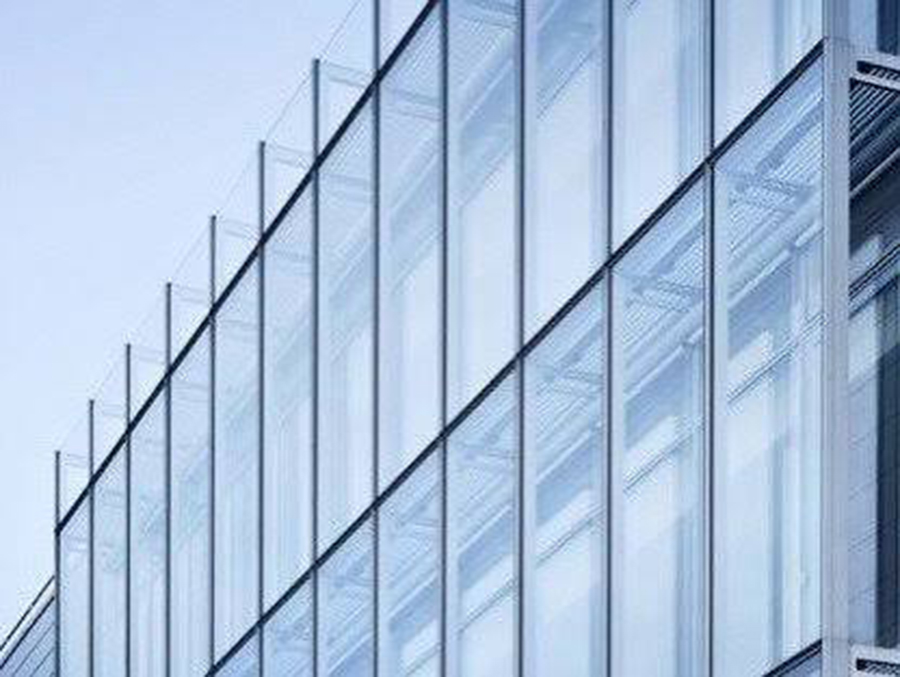
Glass curtain walls utilize tempered or laminated insulating glass units (IGUs) supported by aluminum mullions and transoms in a stick or unitized system. The glass can incorporate low-E coatings, frits, or interlayers for solar control, thermal performance, and visual privacy. This system maximizes natural daylight penetration and offers seamless, modern transparency. It also enables dramatic architectural expressions with curved or faceted geometries. Yet glass requires meticulous detailing for water drainage, air tightness, and acoustic insulation, with higher initial costs and ongoing cleaning considerations for high-rise applications.
|
Aspect |
Aluminum Single-panel Cladding |
Stone Curtain Walls |
Glass Curtain Walls |
|
Primary Material |
Aluminum sheet (1.5–3mm ) |
Natural stone (granite, marble, limestone, 30–50mm) |
Tempered/laminated insulating glass units (IGUs) |
|
Weight |
Very light (8–12 kg/m²) |
Very heavy (60–120 kg/m²) |
Moderate (30–50 kg/m²) |
|
Support Structure |
Light steel or aluminum subframe |
Heavy stainless steel or aluminum grid |
Aluminum mullion-transom system (stick or unitized) |
|
Aesthetic Character |
Modern, industrial, customizable colors and perforations |
Monumental, prestigious, natural veining and texture |
Sleek, transparent, reflective, high-tech appearance |
|
Thermal Performance |
Requires separate insulation behind panels (thermal break optional) |
Moderate thermal mass; insulation placed behind panels |
High-performance IGUs with low-E coatings and argon fill |
|
Daylight Transmission |
Opaque (zero light transmission) |
Opaque (zero light transmission) |
High (40–70% visible light transmittance depending on coating) |
|
Installation Speed |
Fast, dry-joint clip or rivet system |
Slow, requires skilled stone masons and anchoring |
Moderate to slow (unitized is faster; stick is slower) |
|
Maintenance |
Low; periodic washing and coating inspection |
Low; periodic sealing check and stain removal |
High; requires regular cleaning and sealant replacement |
|
Cost Range |
Low to moderate |
High (material + fabrication + labor) |
High (glass + framing + installation) |
|
Typical Applications |
Soffits, column covers, refurbishment, warehouses |
Bank headquarters, museums, luxury retail |
Office towers, airport terminals, shopping malls |
Each cladding system serves distinct architectural priorities. Aluminum single-panel cladding is the pragmatic choice for budget conscious, lightweight, and fast track projects where opacity and color expression are sufficient. Stone curtain walls deliver timeless prestige and durability but demand significant structural investment and lengthy installation. Glass curtain walls offer unparalleled transparency and daylight harvesting, yet they require rigorous engineering for thermal and acoustic control with higher lifecycle maintenance. The final selection should balance aesthetic vision, structural capacity, climate conditions, and long term operational costs rather than purely upfront expenses. For mixed-use developments, combining two systems on different elevations often achieves both iconic street presence and economical rear façades.
For more information needed or any inquiry,please feel free to contact Yumisteel team.
años de experiencia



 Servicio en línea
 +86-592-6095031
 manager@yumisteel.com
 Alina_Yuki
 +8613559086380+8615860744964
 español
 English
 русский
 português
 日本語
日本語