
Elegir el sujetador adecuado para un proyecto de estructura de acero no es complicado, pero equivocarse significa fallas en las uniones y retrabajo. Esta guía cubre los grados de pernos, recubrimientos, métodos de instalación y normas para que pueda seleccionar sujetadores que permanezcan seguros y cumplan con el código.
Introducción a diversos sujetadores y sus aplicaciones
1. Pernos
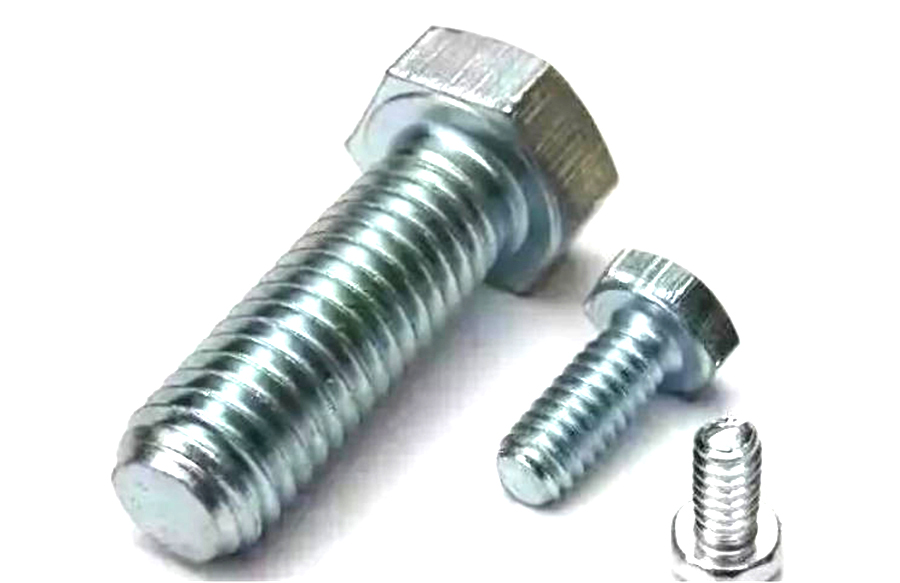
Los pernos cuentan con un vástago roscado externamente y normalmente una cabeza hexagonal; son los sujetadores desmontables más comunes utilizados en maquinaria y estructuras de acero, generalmente empleados junto con tuercas y arandelas.
Los tipos incluyen pernos de cabeza hexagonal estándar, de cabeza cuadrada, ajustados (de orificio escariado), antirrotación, de ranura en T y pernos de anclaje, así como pernos hexagonales grandes de alta resistencia diseñados específicamente para estructuras de acero.
|
Pernos de cabeza hexagonal |
Se clasifican en grados de precisión A, B y C. Los grados A y B ofrecen alta precisión y son adecuados para aplicaciones críticas sometidas a cargas complejas, impactos o vibraciones; los pernos hexagonales grandes proporcionan una mayor superficie de soporte de carga. |
|
Pernos de cabeza cuadrada |
Ofrecen un agarre seguro; se utilizan comúnmente en estructuras rústicas o montajes de equipos con ranura en T. |
|
Pernos ajustados (de orificio escariado) |
El vástago encaja firmemente en el orificio de instalación, evitando la desalineación de los componentes. |
|
Pernos de anclaje |
Se empotran en cimientos de concreto para asegurar bastidores de equipos. |
|
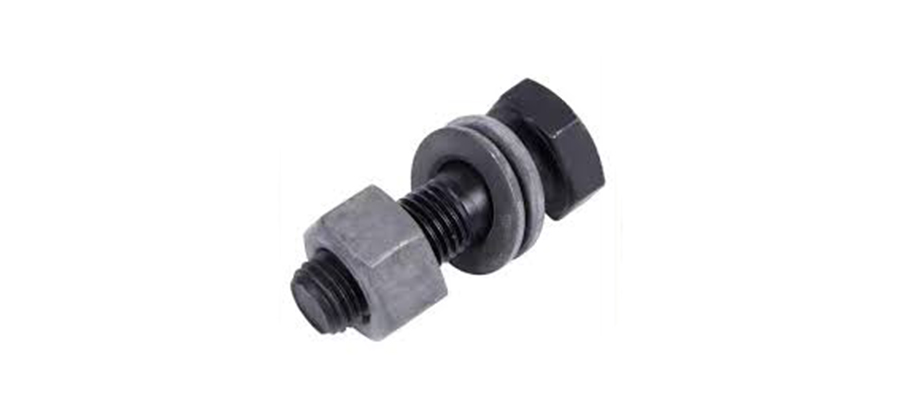
Pernos de alta resistencia |
Diseñados específicamente para conexiones de tipo fricción en estructuras de acero como edificios, puentes y estructuras metálicas. |
2. Tuercas
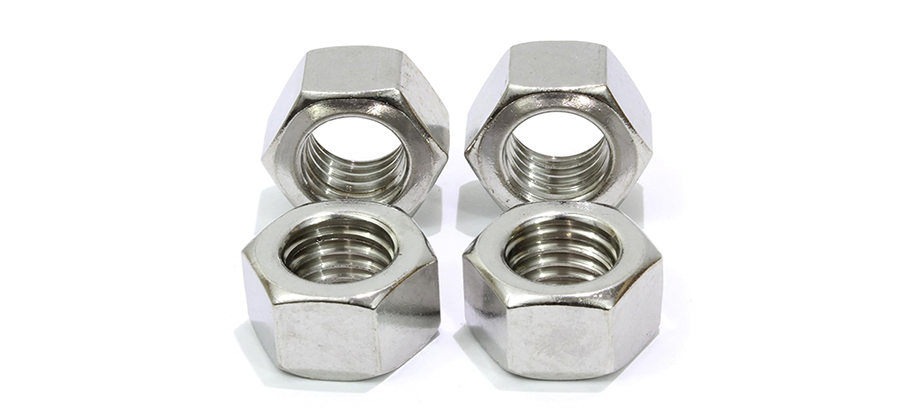
Son sujetadores complementarios con roscas internas normalmente de forma hexagonal diseñados para usarse con pernos o espárragos para asegurar componentes.
|
Tuercas hexagonales estándar |
Disponibles en diversos grados de precisión; las tuercas delgadas pueden servir como contratuercas para evitar el aflojamiento, mientras que las tuercas gruesas son adecuadas para aplicaciones que requieren montaje y desmontaje frecuentes; las tuercas cuadradas están diseñadas para usarse con pernos de cabeza cuadrada. |
|
Tuercas ranuradas |
Se utilizan junto con pernos perforados y pasadores de chaveta para proporcionar seguridad de bloqueo doble contra el aflojamiento. |
|
Tuercas de bloqueo |
Incluyen tipos de bloqueo con inserto de nailon y totalmente metálicos; ofrecen excelente resistencia al aflojamiento y pueden reutilizarse múltiples veces. |
|
Tuercas especiales |
Las tuercas de mariposa permiten el montaje y desmontaje sin herramientas, mientras que las tuercas ciegas se utilizan para cubrir los extremos de rosca expuestos. |
3. Tornillos
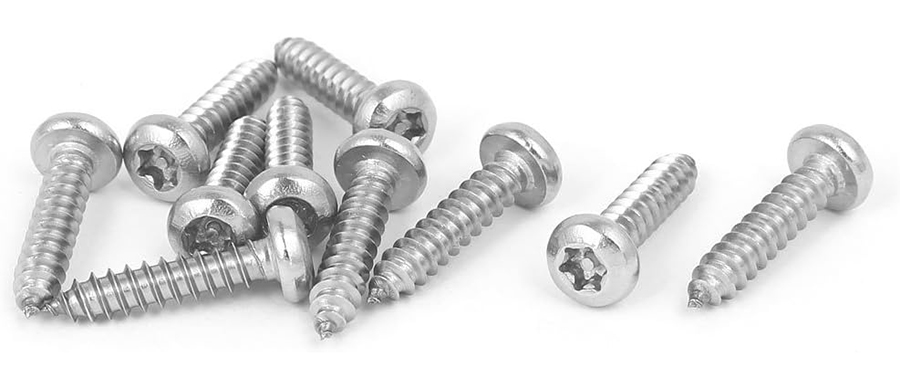
Generalmente son compactos y cuentan con diversos estilos de cabeza (como plana, avellanada o Phillips); normalmente se introducen directamente en orificios previamente roscados de la pieza de trabajo en lugar de combinarse con tuercas; sus funciones principales son la fijación y el posicionamiento.
|
Tornillos para máquina |
Disponibles en una amplia variedad de tipos de cabeza y accionamiento; los accionamientos Phillips resisten el deslizamiento de la punta, mientras que los tornillos de hexágono interior soportan un alto par de apriete y permiten un montaje al ras, lo que los hace adecuados para ensamblajes compactos. |
|
Tornillos prisioneros |
Se utilizan para fijar la posición relativa de los componentes; están disponibles con diversos estilos de punta, como cónica, plana o de perro (cilíndrica), seleccionados según el material de la pieza de trabajo y las condiciones de carga. |
|
Tornillos especiales |
Incluyen tornillos de hexágono interior, tornillos de ojo, tornillos cautivos y tornillos de posicionamiento, diseñados para requisitos específicos de instalación. |
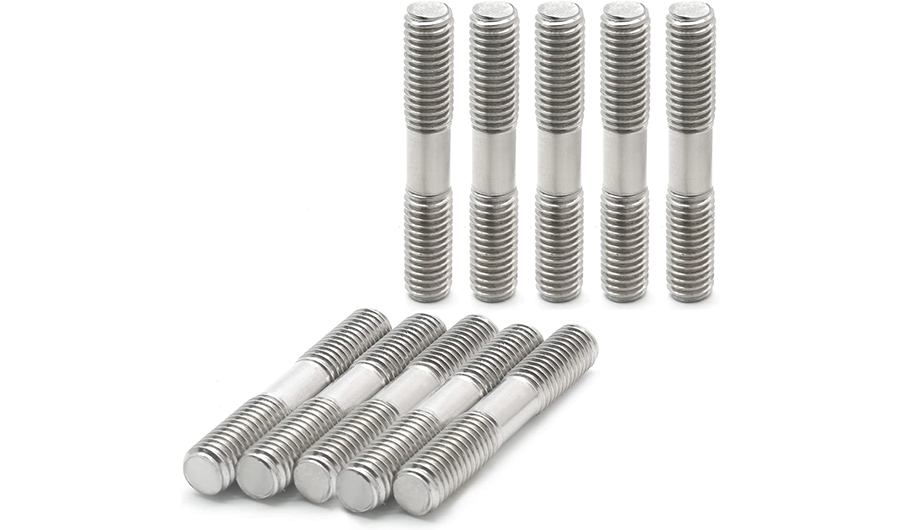
4. Espárragos (espárragos de doble extremo)
Estos cuentan con roscas externas en ambos extremos y un vástago central liso sin rosca; se clasifican en tipos de longitud desigual y longitud igual. Durante la instalación, un extremo se atornilla en un componente base de paredes gruesas, mientras que el otro sobresale para asegurarse con una tuerca. Son adecuados para aplicaciones que involucran componentes gruesos, estructuras compactas o la necesidad de desmontaje frecuente, situaciones en las que los pernos estándar no son prácticos, y también sirven para proporcionar funciones de posicionamiento o limitación.
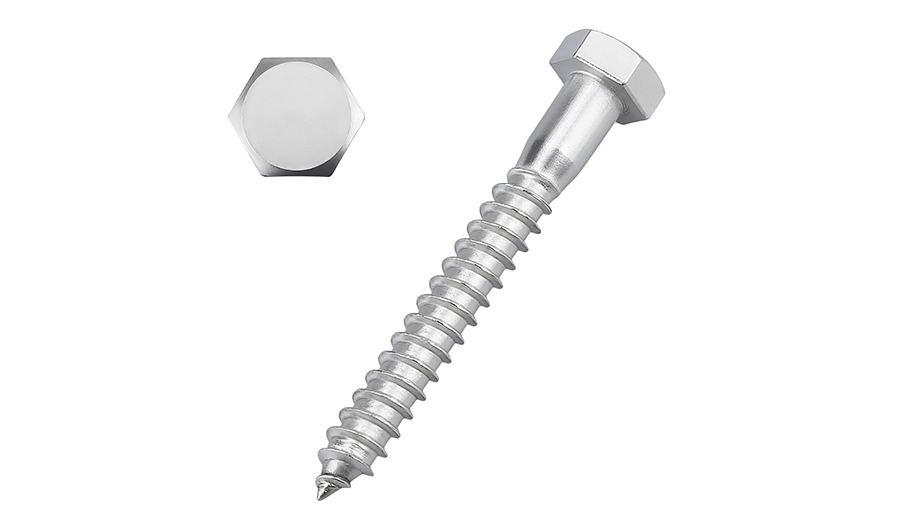
5. Tornillos para madera
Diseñados específicamente para unir madera, estos tornillos vienen en diversos estilos de cabeza, como cabeza redonda y cabeza avellanada, y se fijan introduciéndolos directamente en la madera.
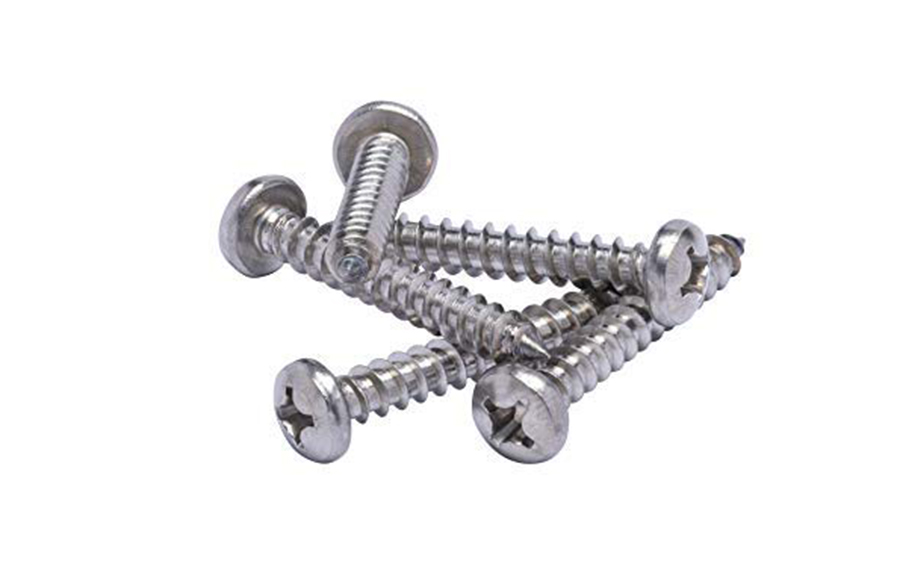
6. Tornillos autorroscantes
Estos tornillos no requieren roscas internas previamente mecanizadas en la pieza de trabajo; cortan sus propias roscas durante la instalación. Se utilizan principalmente para unir materiales como chapa metálica delgada, plásticos, cobre y aluminio. También existen variantes autorroscantes con bloqueo de rosca, que ofrecen una resistencia superior a las vibraciones.
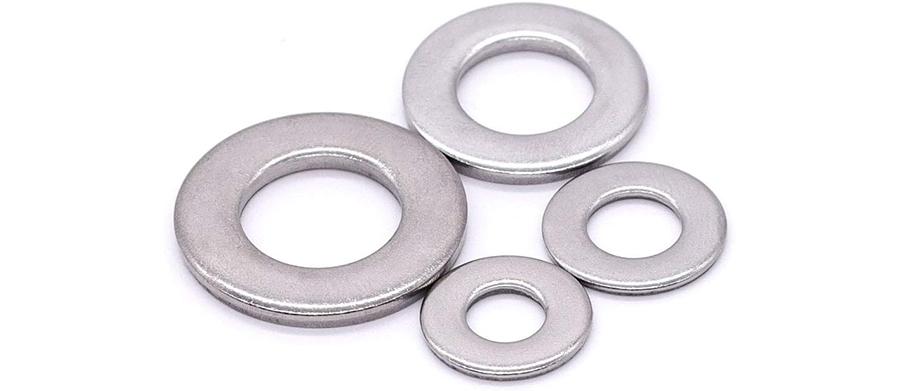
7. Arandelas
Instaladas entre las superficies de contacto de pernos, tornillos o tuercas y la pieza de trabajo, las arandelas vienen en varios tipos:
|
Arandelas planas |
Aumentan el área de contacto, distribuyen la presión y compensan las irregularidades de la superficie. |
|
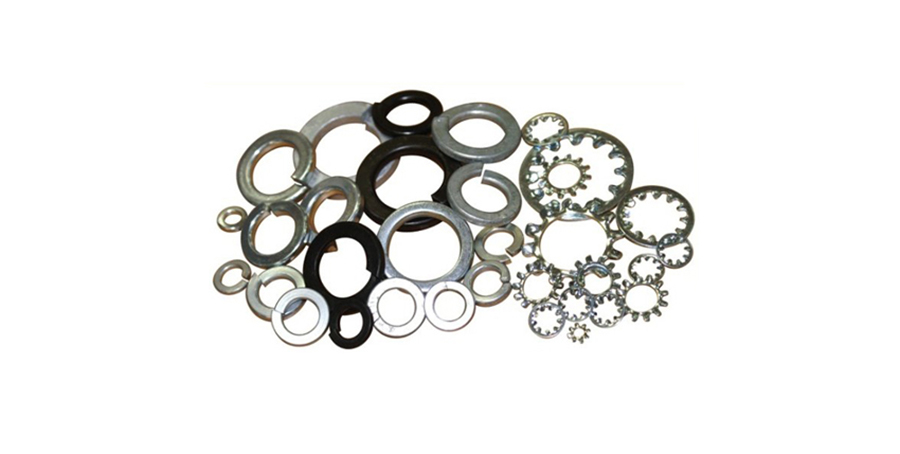
Arandelas elásticas |
Evitan el aflojamiento mediante elasticidad y fricción; son los componentes antiaflojamiento más comunes. |
|
Arandelas elásticas dentadas y arandelas de bloqueo |
Proporcionan un rendimiento antiaflojamiento mejorado, por lo que son adecuadas para equipos sometidos a vibraciones. |
|
Arandelas cónicas (de cuña) |
Diseñadas específicamente para superficies de contacto inclinadas, como las que se encuentran en vigas en I o perfiles de acero en canal, para garantizar que el elemento de fijación roscado reciba la carga perpendicularmente. |
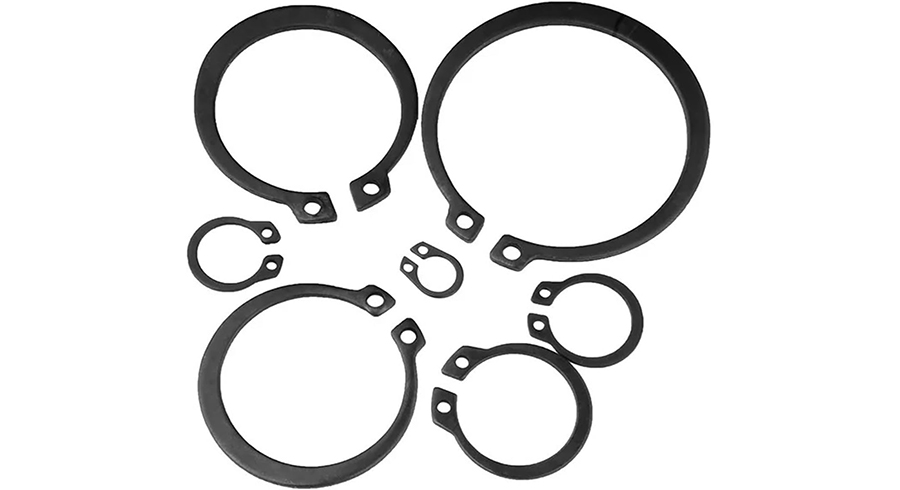
8. Anillos de retención
Se instalan principalmente en ejes o dentro de orificios para proporcionar funciones de posicionamiento axial, bloqueo y prevención del aflojamiento de componentes. Los tipos incluyen anillos de retención elásticos, anillos de retención de alambre, anillos de bloqueo y anillos de retención de extremo de eje; los distintos estilos se adaptan a diferentes requisitos de carga y posicionamiento.
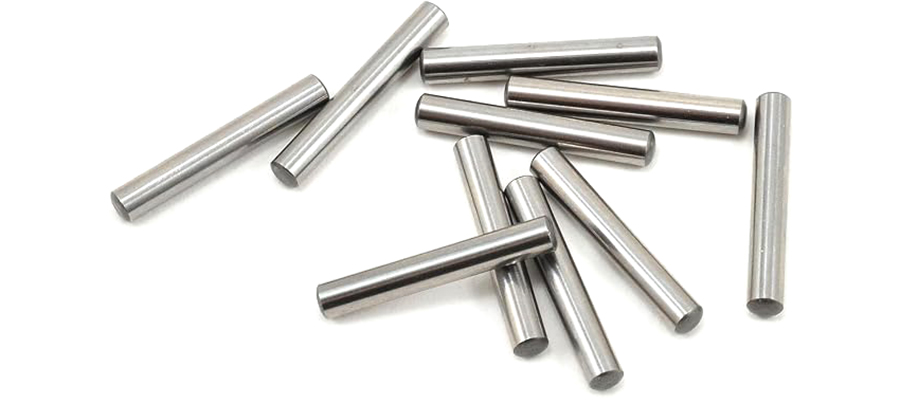
9. Pasadores
Se utilizan principalmente para posicionamiento, aunque también sirven para conectar piezas y evitar el aflojamiento; algunos pasadores pueden actuar como componentes de protección contra sobrecargas de seguridad.
|
Pasadores cilíndricos |
Se fijan mediante ajuste de interferencia; ofrecen una alta precisión de posicionamiento, pero no son adecuados para desmontajes y montajes frecuentes. |
|
Pasadores cónicos |
Tienen una forma cónica para facilitar la instalación y ofrecer capacidades de autobloqueo; son ideales para aplicaciones que requieren desmontajes frecuentes. |
|
Pasadores de chaveta |
Se utilizan junto con tuercas ranuradas o pernos perforados; son un componente mecánico clásico antiaflojamiento. |
|
Pasadores cilíndricos de tipo resorte |
Son fáciles de instalar y retirar; no requieren mecanizado de precisión del orificio del pasador. |
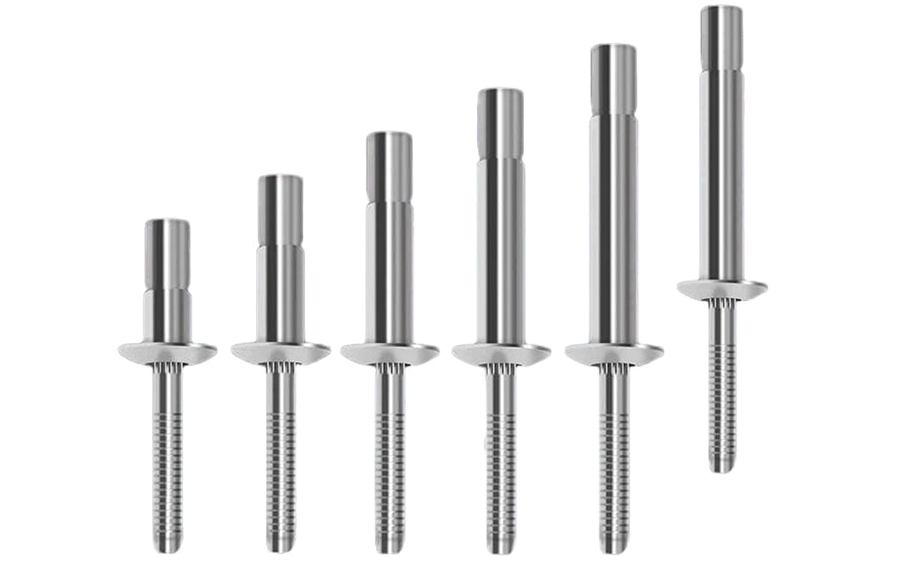
10. Remaches
Estos elementos de fijación cuentan con un vástago sin rosca con una cabeza preformada en un extremo; se logra una unión permanente mediante deformación causada por martillado o compresión, lo que los convierte en elementos de fijación no desmontables. Se clasifican según el proceso de fabricación en remaches forjados en caliente y remaches conformados en frío; los remaches huecos o semihuecos se utilizan habitualmente para unir materiales ligeros como cuero, plástico y madera.
11. Conjuntos de elementos de fijación
Son elementos de fijación compuestos por un perno, tornillo o tornillo autorroscante combinado con una arandela. El conjunto está diseñado para que la arandela pueda girar libremente sin desprenderse, y la unidad se utiliza como un todo para realizar conexiones de fijación.
12. Otros elementos de fijación
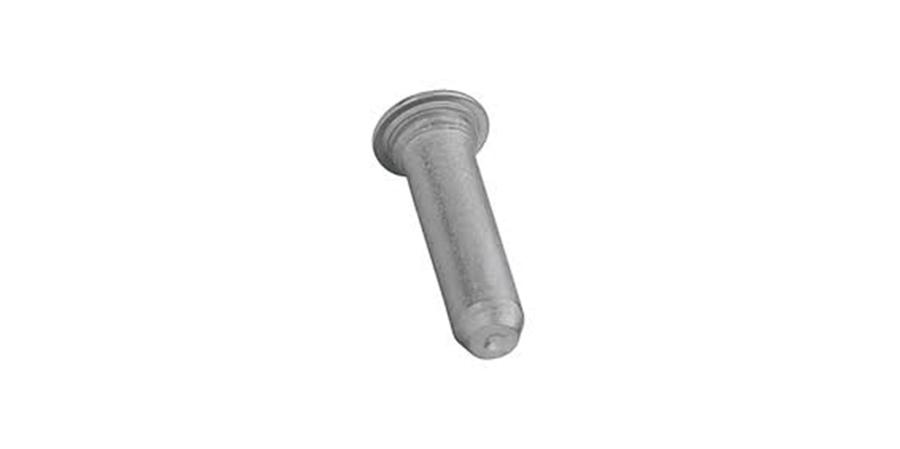
Representados por espárragos soldados, se utilizan principalmente en aplicaciones especializadas como conexiones soldadas en estructuras de acero.
Principios para la selección de elementos de fijación
Estandarización
Minimizar la variedad de elementos de fijación utilizados dentro de un único equipo o proyecto para mejorar la eficiencia de fabricación y montaje.
Rentabilidad y practicidad
Priorizar el uso de piezas estándar disponibles comercialmente para controlar los costos.
Selección basada en requisitos
Determinar el tipo y grado del elemento de fijación considerando el entorno de aplicación, la magnitud de la carga, los requisitos de precisión, las especificaciones de rosca y las propiedades mecánicas.
Para obtener más información o realizar cualquier consulta, no dude en ponerse en contacto con el equipo de Yumisteel.
años de experiencia



 Servicio en línea
 +86-592-6095031
 manager@yumisteel.com
 Alina_Yuki
 +8613559086380+8615860744964
 español
 English
 русский
 português
 日本語
日本語