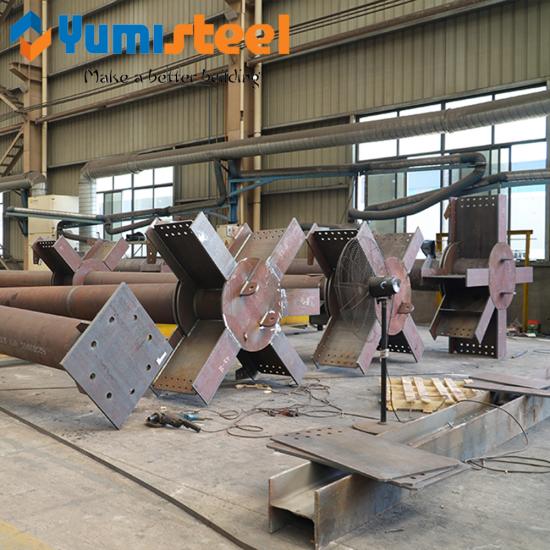

Métodos comunes de soldadura: TIG, MIG, MAG, GMAW, SMAW, FCAW, SAW, LBW
Métodos comunes de soldadura (abreviaturas en inglés)
|
Abreviaturas en inglés |
Significado |
|
TIG |
Soldadura por arco de argón |
|
MIG |
Soldadura protegida con argón |
|
MAG |
Soldadura protegida con CO2/gas mezclado |
|
GMAW |
Soldadura por arco con gas y metal (término general) |
|
SMAW |
Soldadura manual por arco metálico (soldadura con electrodo revestido) |
|
FCAW |
Soldadura por arco con núcleo de fundente |
|
SAW |
Soldadura por arco sumergido |
|
LBW |
Soldadura por haz láser |
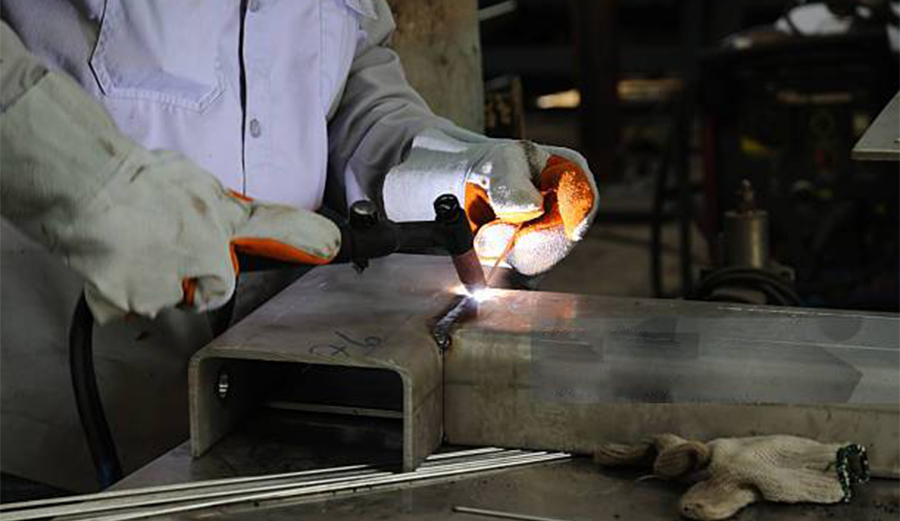
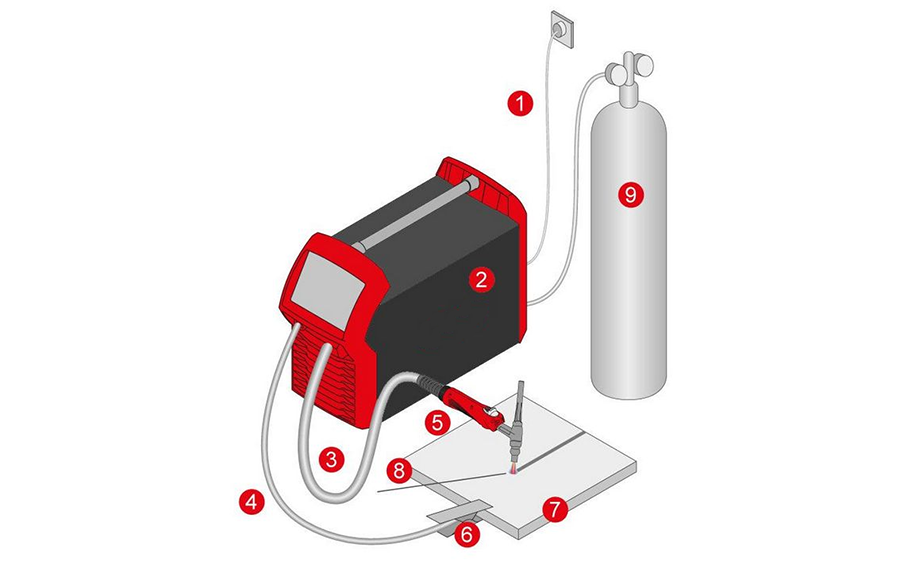 (Soldadura con gas inerte de tungsteno)
|
Principio |
Utiliza un electrodo de tungsteno no consumible y protección con gas inerte (por ejemplo, argón); el arco funde el metal base, mientras que el material de aporte se introduce manualmente en el baño de soldadura. |
|
Características |
Produce soldaduras limpias y estéticamente atractivas con una zona afectada por el calor pequeña; es adecuada para soldadura de precisión, aunque requiere alta habilidad y ofrece menor eficiencia. |
|
Aplicaciones |
Metales no ferrosos (acero inoxidable, aleaciones de aluminio, aleaciones de titanio) y componentes de precisión que requieren alta calidad y apariencia de soldadura. |
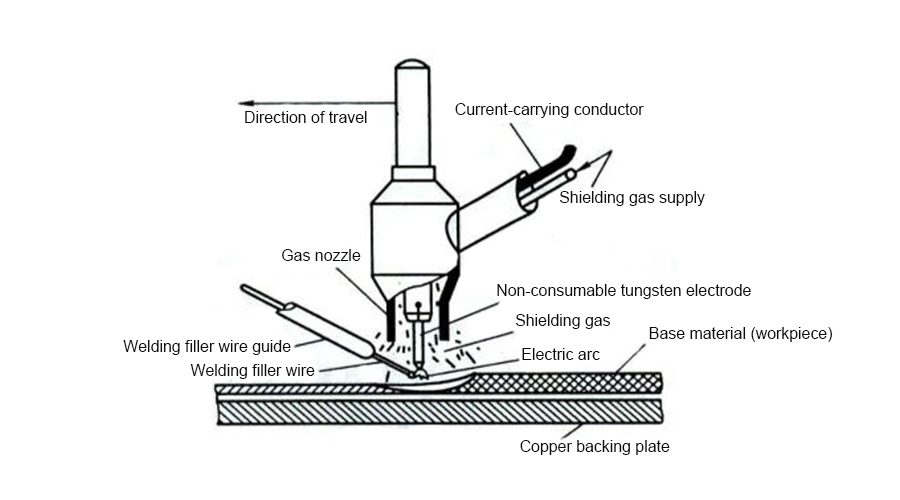
MIG (Soldadura con gas inerte metálico)
|
Principio |
Utiliza un alambre sólido como electrodo y material de aporte; emplea protección con gas inerte y alimentación continua de alambre. |
|
Características |
Alta eficiencia, buena formación del cordón de soldadura y salpicaduras mínimas; adecuada para soldadura en todas las posiciones, aunque es sensible a las condiciones ambientales (requiere protección contra el viento). |
|
Aplicaciones |
Metales como acero inoxidable, aluminio y cobre; adecuada para producción en masa y soldadura automatizada. |
MAG (Soldadura con gas activo metálico)
|
Principio |
Similar a MIG, pero utiliza gas activo (por ejemplo, CO2 o mezclas de gases) para la protección; el gas participa en las reacciones metalúrgicas. |
|
Características |
Arco más estable, mayor penetración y menor costo, aunque produce relativamente más salpicaduras. |
|
Aplicaciones |
Acero al carbono, acero de baja aleación, etc.; comúnmente utilizado en estructuras de acero, fabricación de automóviles y campos similares. |
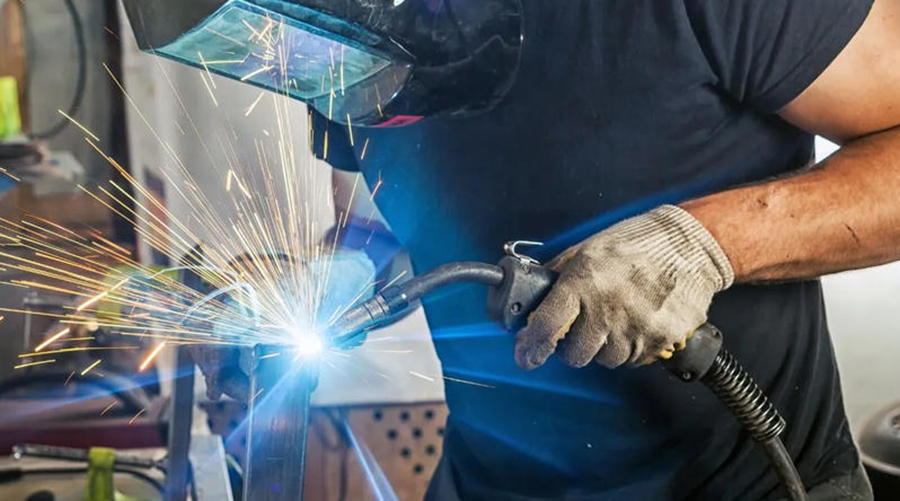
GMAW (Soldadura por arco metálico con gas)
|
Principio |
Término general que engloba tanto MIG como MAG; la soldadura se logra mediante protección gaseosa y la fusión del alambre de soldadura. |
|
Características |
Combina las ventajas de MIG y MAG; ofrece un amplio rango de aplicaciones con opciones flexibles de tipos de gas y alambre. |
|
Aplicaciones |
Diversos metales y aleaciones; adecuada para soldadura semiautomática o automática. |
SMAW (Soldadura por arco con electrodo revestido / Soldadura manual por arco metálico)
|
Principio |
Utiliza un electrodo revestido con fundente; se genera un arco entre el electrodo y el metal base, mientras que el revestimiento produce gas protector y escoria. |
|
Características |
Equipo simple y portátil; capaz de realizar soldadura en todas las posiciones; sin embargo, la eficiencia es baja, la calidad de la soldadura depende en gran medida de la habilidad del soldador y la formación de escoria es común. |
|
Aplicaciones |
Construcción, mantenimiento y operaciones en campo; adecuada para acero al carbono, hierro fundido, etc. |
FCAW (Soldadura por arco con alambre tubular con fundente)
|
Principio |
Utiliza alambre tubular con fundente interno; durante la soldadura, el fundente genera gas protector y escoria, permitiendo operación con autoprotección o protección gaseosa. |
|
Características |
Alta tasa de deposición, fuerte resistencia a la porosidad y adecuada para soldadura de placas gruesas; sin embargo, produce humos, por lo que requiere ventilación. |
|
Aplicaciones |
Construcción naval, construcción de puentes y mantenimiento de equipos pesados; adecuada para acero al carbono, acero inoxidable, etc. |
SAW (Soldadura por arco sumergido)
|
Principio |
El arco se quema bajo una capa de fundente granular; el alambre se alimenta automáticamente y el fundente fundido forma gas protector y escoria. |
|
Características |
Eficiencia extremadamente alta, calidad de soldadura uniforme y sin resplandor del arco ni humos; sin embargo, el equipo es complejo y es adecuada principalmente para soldaduras largas y rectas en posición plana. |
|
Aplicaciones |
Soldadura de placas gruesas, recipientes a presión, puentes y otras estructuras grandes; adecuada para acero al carbono, acero inoxidable, etc. |
LBW (Soldadura por haz láser)
|
Principio |
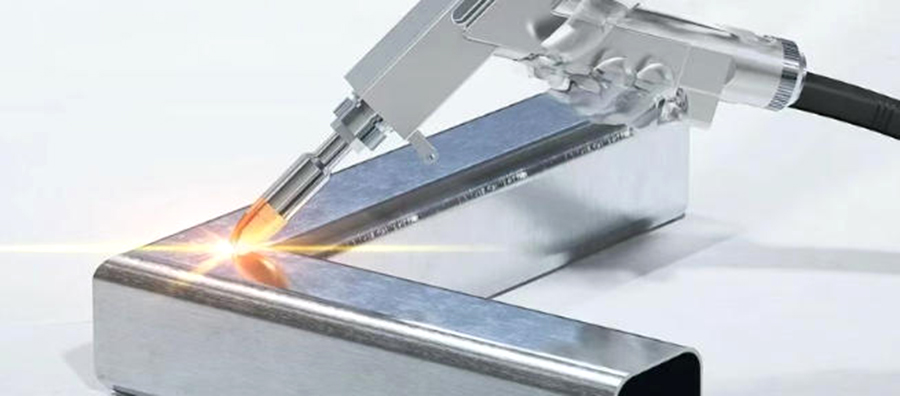
Utiliza un haz láser enfocado para fundir el material base, logrando una soldadura de precisión. |
|
Características |
Alta precisión, zona afectada por el calor pequeña, deformación mínima y adecuada para automatización; sin embargo, los costos del equipo son elevados y existen estrictos requisitos de limpieza superficial de la pieza de trabajo. |
|
Aplicaciones |
Aeroespacial, electrónica, dispositivos médicos, fabricación de chapa metálica de precisión, etc.; adecuada para una amplia variedad de metales y aleaciones. |
TIG es adecuada para soldaduras de precisión y alta calidad; MIG/MAG/GMAW es adecuada para producción en masa y automatización; SMAW es adecuada para operaciones portátiles y flexibles; FCAW es adecuada para soldadura de placas gruesas; SAW es adecuada para estructuras grandes de placas gruesas; LBW es adecuada para aplicaciones de alta precisión y alta automatización.
Para obtener más información o realizar cualquier consulta, no dude en contactar con el equipo de Yumisteel.
años de experiencia



 Servicio en línea
 +86-592-6095031
 manager@yumisteel.com
 Alina_Yuki
 +8613559086380+8615860744964
 español
 English
 русский
 português
 日本語
日本語