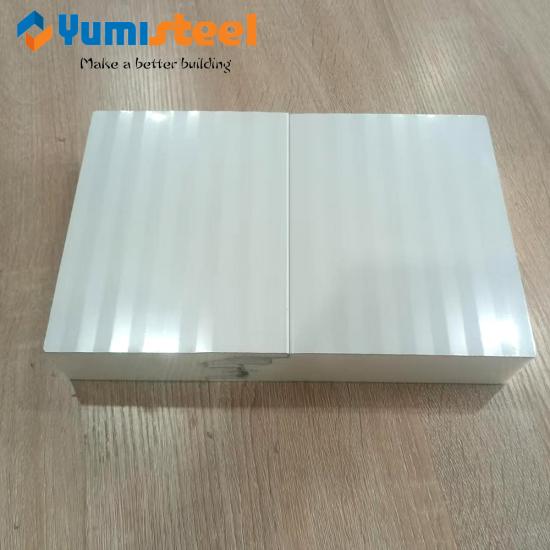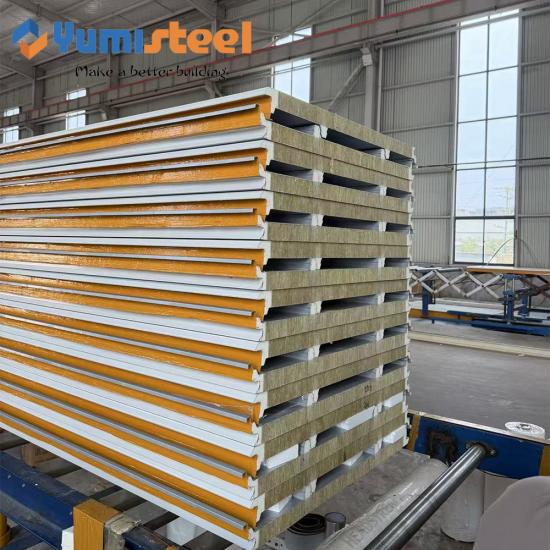

El rendimiento del aislamiento y la seguridad contra incendios de las fábricas con estructuras de acero y los almacenes de cadena de frío dependen en gran medida del material del núcleo dentro de los paneles sándwich. Las cinco opciones principales son lana de roca, poliuretano (PU/PIR), EPS, lana de escoria y lana de vidrio. Difieren significativamente en resistencia al fuego, tolerancia a la temperatura, conductividad térmica y seguridad frente al humo.
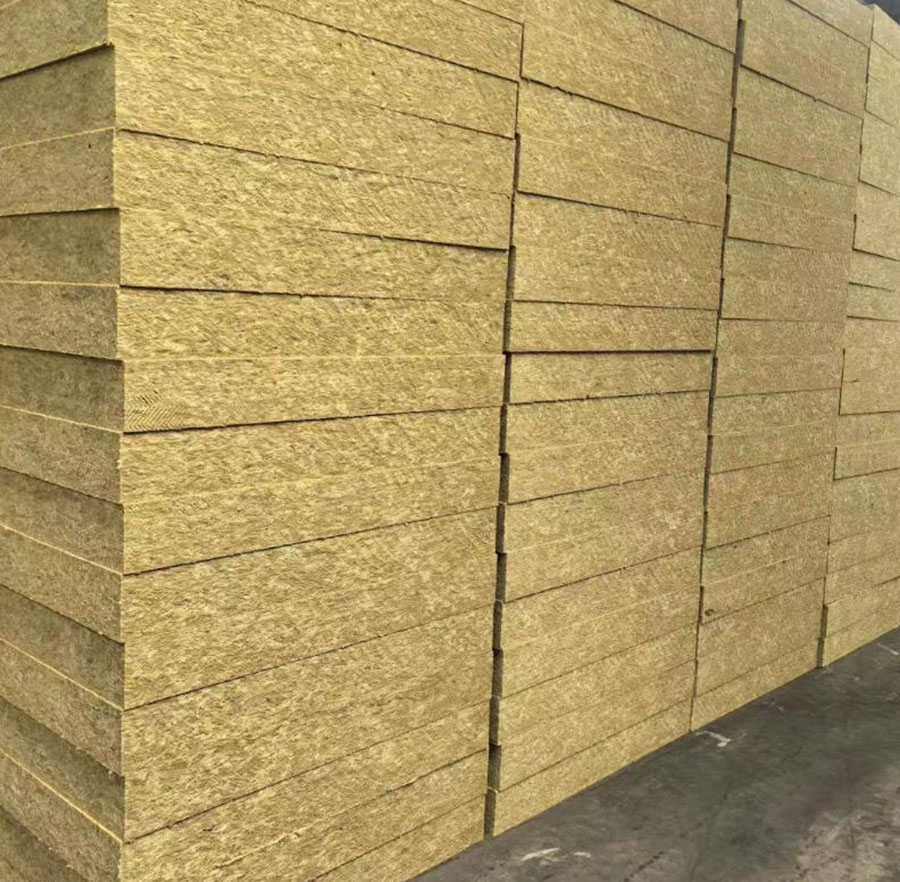
☆Lana de roca de alta calidad (Clase A no combustible)
No produce humo tóxico al exponerse a las llamas; garantiza una evacuación segura
Soporta hasta 600℃; resistencia al fuego de 30-240 minutos
Conductividad térmica: 0.036-0.043; aislamiento estable
Mejor rendimiento general y versatilidad; ideal para la mayoría de los edificios industriales permanentes; alta tasa de aceptación
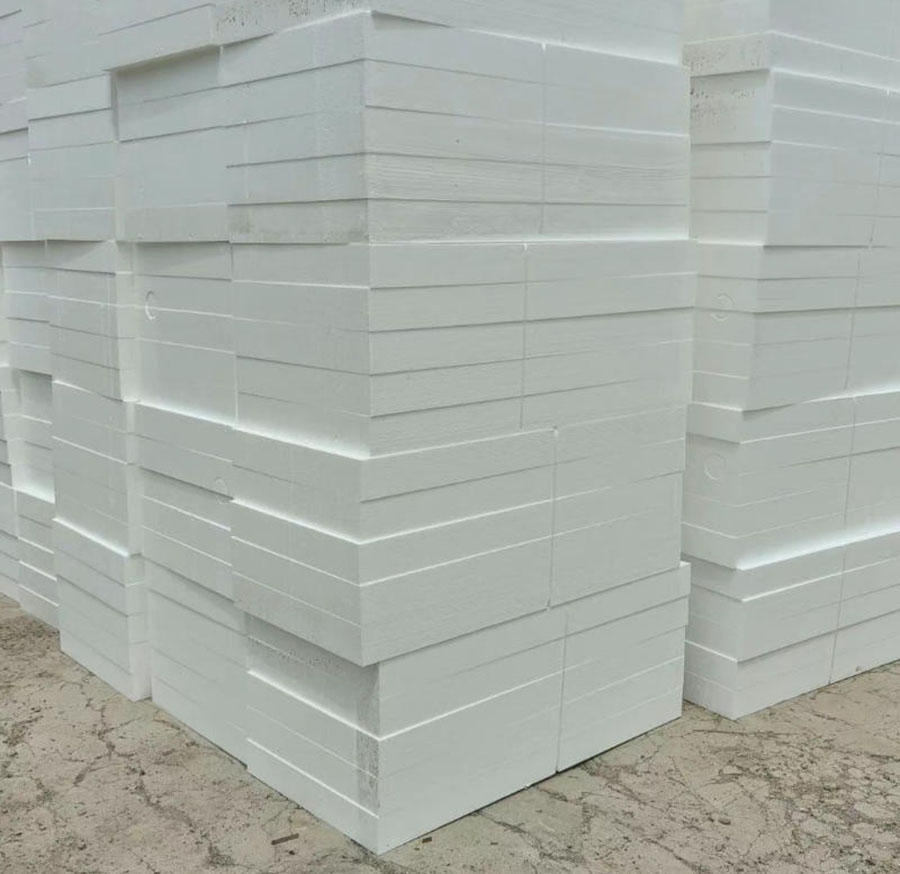
☆EPS (Clase B inflamable)
Produce abundante humo negro tóxico; importante riesgo de incendio
Temperatura máxima de servicio: solo 85℃; propenso a deformarse
Conductividad térmica: 0.039-0.041; solo aislamiento básico
Limitado a estructuras temporales; prohibido en edificios permanentes; suele fallar las inspecciones
☆Poliuretano PU/PIR (Clase B inflamable)
Produce humo negro al arder; soporta solo 170℃
Conductividad térmica: 0.022-0.024; el mejor aislamiento entre los cinco materiales
Preferido para edificios de cadena de frío, pero debe combinarse con lana de roca en particiones contra incendios y rutas de evacuación
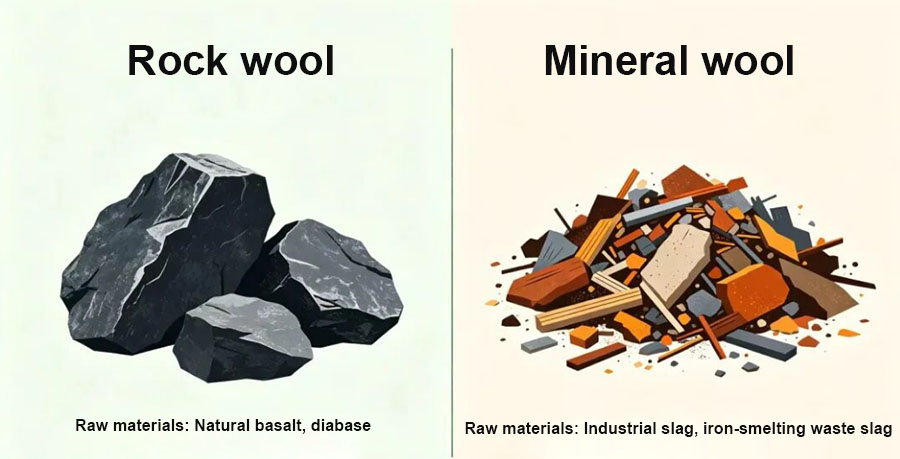
☆Lana de escoria (Clase A no combustible)
Sin humos tóxicos, pero en general es inferior a la lana de roca
Soporta solo 300℃; resistencia al fuego inferior a 60 minutos
Conductividad térmica: 0.038-0.048; baja eficiencia de aislamiento
Las fibras tienden a convertirse en polvo y asentarse con el tiempo; adecuada solo para proyectos de bajo presupuesto y no críticos
☆Lana de vidrio (Clase A no combustible)
Sin humo y no tóxica; soporta 200℃; resistencia al fuego de 30-120 minutos
Conductividad térmica: 0.033-0.043
Baja resistencia a la humedad; el aislamiento disminuye considerablemente cuando se moja
Rara vez se utiliza en paredes/techos; principalmente para aislamiento de conductos y particiones ligeras
Guías de selección
Almacenamiento de cadena de frío: usar poliuretano para la envolvente principal y lana de roca para las particiones contra incendios
Fábricas estándar, grandes almacenes, edificios de alto riesgo: elegir lana de roca de alta calidad
Sitios temporales: se acepta EPS; evitarlo para proyectos permanentes
Aislamiento de conductos: la lana de vidrio funciona bien
Edificios pequeños de bajo presupuesto y baja temperatura: se puede usar lana de escoria a corto plazo
Poliuretanolidera en aislamiento, pero carece de seguridad contra incendios. El EPS es barato, pero altamente peligroso. La lana de escoria y la lana de vidrio tienen limitaciones de durabilidad y aplicación. La lana de roca de alta calidad ofrece el mejor equilibrio entre seguridad contra incendios, resistencia al calor y aislamiento a largo plazo, lo que la convierte en la opción más versátil. La selección de materiales debe considerar los códigos contra incendios, las temperaturas de operación y la vida útil del proyecto,no solo la eficiencia del aislamiento o el costo. Este enfoque evita problemas de inspección y riesgos de seguridad a largo plazo.
Para obtener más información o realizar cualquier consulta, no dude en contactar al equipo de Yumisteel.
años de experiencia



 Servicio en línea
 +86-592-6095031
 manager@yumisteel.com
 Alina_Yuki
 +8613559086380+8615860744964
 español
 English
 русский
 português
 日本語
日本語